Victoria curlers now have a home on the national stage.
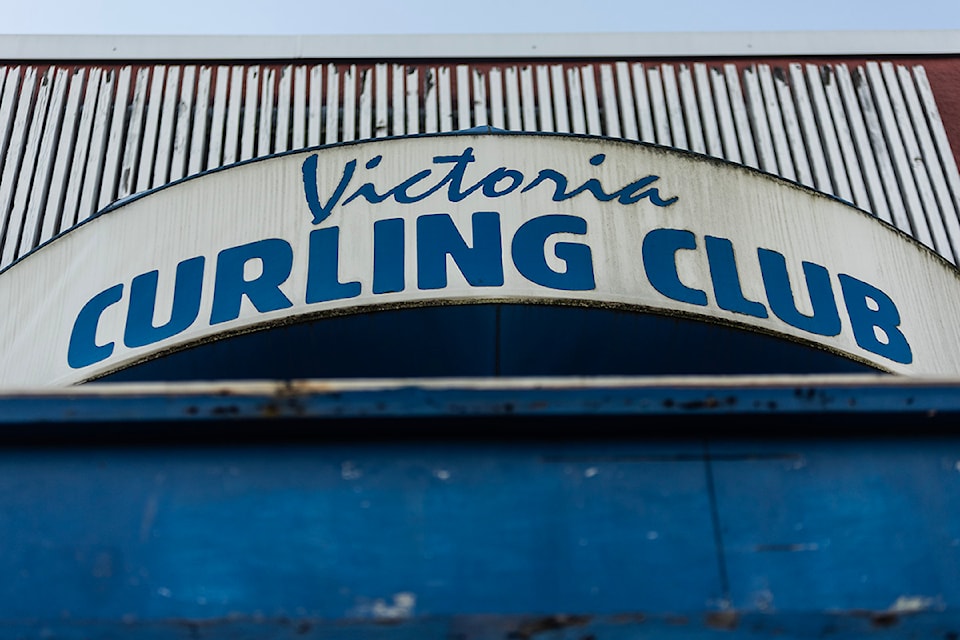
The Victoria Curling Club (VCC) located at 1952 Quadra St. has been named one of Curling Canada’s newest Regional High Performance Training Hubs, joining an elite group of centres across the country.
The program adds Victoria, Okotoks, Moose Jaw, and Kitchener-Waterloo to existing hubs in Winnipeg, Calgary, and Edmonton.
This makes Victoria the only designated hub in British Columbia.
The centres are designed to mimic arena ice, use technology to improve shotmaking and sweeping, while giving athletes access to top-level coaching.
“This is recognition of the level of curling at VCC and the support our members have put into high performance curling over the years. We look forward to working with Curl BC and Curling Canada to support the best young curlers in the province and the country," said James Keogh, general manager of the VCC.
While the hubs will serve established athletes, Victoria’s primary focus will be on curlers under 25 preparing to make the leap to elite competition. The facility will give them consistent coaching, access to modern training technology, and high-quality ice conditions to help them develop quickly and effectively.
Scott Braley, CEO of Curl BC, said the designation reflects the club’s role in developing high-performance curling locally and nationally.
“We have built a strong partnership with the club, and we look forward to strengthening it further," Braley said. "This designation recognizes the important role VCC plays in advancing high-performance curling in British Columbia and on the national stage.”
Victoria earned the designation through Curling Canada’s competitive selection process, which required provincial and territorial associations to propose funding models.
The selection considered factors like proximity to a major airport, reliable ice conditions, access to training technology, and affordable ice time for juniors and developing athletes.